Recycling & Sustainability for Gardening Shoreditch
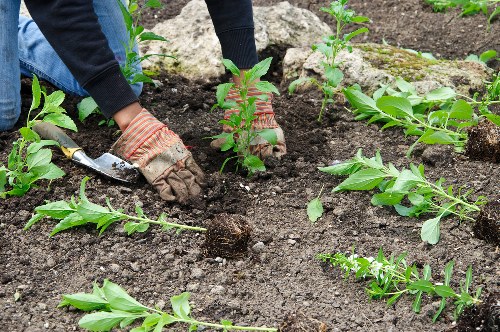 Gardening Shoreditch is committed to creating an eco-friendly waste disposal area and a thriving sustainable rubbish gardening area across our community plots and streetscape projects. This page outlines our priorities, measurable targets and the practical steps we take to reduce landfill and support circular reuse in the heart of Shoreditch. Our approach to sustainable gardening in Shoreditch balances local borough waste policies with hands-on composting, reuse and low-carbon logistics to keep green waste out of general refuse streams.
We have set a clear recycling percentage target to guide our operations and measure progress: a 70% diversion rate of garden and site waste from landfill within three years. This target is aligned with the wider Shoreditch recycling and sustainability ambitions promoted by Hackney and neighbouring boroughs; we work with borough separation schemes and their guidance on glass, paper, plastic and organic segregation to streamline collection at source. By encouraging volunteers and partners to separate green waste, food scraps and recyclables, we improve material quality for reuse and composting.
 Local transfer stations are a critical part of our logistics chain. We coordinate with Hackney transfer facilities and nearby borough transfer points to ensure sorted materials go to the right processing centres — green waste to composting facilities, wood and plant matter to biomass or chipping, and reusable soil and planters to community reuse hubs. Our routing respects borough approaches to waste separation and aims to reduce double-handling by delivering pre-separated loads directly to local transfer stations and depots.
Partnerships with charities and social enterprises are central to how Gardening Shoreditch scales reuse and redistribution. We work with local organisations to channel usable supplies and materials back into the community rather than sending them for disposal. Our partners include community gardens, food growing networks and charities that accept tool and material donations for training and employment initiatives. Key collaborative activities include:
- Donation and reuse: redirecting surplus planters, soil, timber and tools.
- Composting programmes: partnering with community charities to build and manage shared compost bays.
- Workshops and redistribution: joint projects to teach repair, upcycling and responsible disposal.
 Our fleet strategy focuses on low-emission logistics: we operate a mix of low-carbon vans, electric light commercial vehicles and cargo bikes for short urban trips. By prioritising low-carbon vans and active transport, we cut emissions associated with waste collection and material transfer. The combination of e-vans for bulk movement and bicycle-based deliveries for last-mile redistribution supports a quieter, cleaner Shoreditch while enabling frequent movements between community plots, local transfer stations and charity partners.
To maintain an effective sustainable rubbish gardening area, we promote robust on-site sorting and storage: labeled bins for green waste, dedicated containers for wood and metal, and secure boxes for small reusables. Our teams use clear signage and regular training to ensure separation at source, reflecting the boroughs' guidelines on separating organics from dry recyclables. We also emphasize closed-loop activities such as chipping woody prunings for mulch, curing compost on-site and reusing soil in raised beds to avoid material loss.
 Community reuse hubs and material exchanges are where many of our circular initiatives meet local need. We host pop-up swap days and coordinate with charities to accept gently used pots, tools and furniture from site clearances. These initiatives turn what would be waste into resources for beginner gardeners, community projects and training programmes. Highlights include tool libraries, seed and potting material swaps, and scheduled collections that keep usable items in circulation rather than entering the waste stream.
 Accountability and transparency are built into our recycling plan. We publish an annual sustainability brief that tracks the recycling percentage target, outlines collection routes to local transfer stations, and reports on the proportion of material redirected to charity partners versus processed by municipal facilities. Our ongoing investments in low-carbon vans and transfer logistics are designed to lower our carbon footprint while increasing the volume and quality of material available for composting and reuse.
Practical activities and what you can expect
On the ground, the typical Shoreditch gardening recycling activities you will see include: scheduled green waste collections, on-site chipping, communal compost bays, sorted drop-off points for recyclables, and organised handovers to charity partners. We also run regular workshops (repair and upcycling, composting basics) and encourage residents and volunteers to follow the local borough approach to waste separation — placing organics and food scraps in the correct bins, rinsing recyclables and reporting contaminants so that sorting remains effective.
Our commitment
Gardening Shoreditch promises to keep enhancing its eco-friendly waste disposal area and expanding the sustainable rubbish gardening area across every site we manage. We will continue to invest in more low-carbon vans, deepen partnerships with charities and community groups, and liaise with local transfer stations to ensure materials are processed responsibly. Together with residents and borough services, we aim to make Shoreditch a model of urban circularity and resilient green space management.
Targets at a glance:
- Recycling percentage target: 70% diversion of garden and related materials from landfill within three years.
- Logistics: Increased use of low-carbon vans and cargo bikes for transfers to local stations.
- Partnerships: Ongoing collaboration with charities to redistribute usable materials.
By combining clear targets, practical site-level measures and strong partnerships, Gardening Shoreditch is turning waste into value — creating a cleaner, greener and more sustainable neighbourhood for everyone.