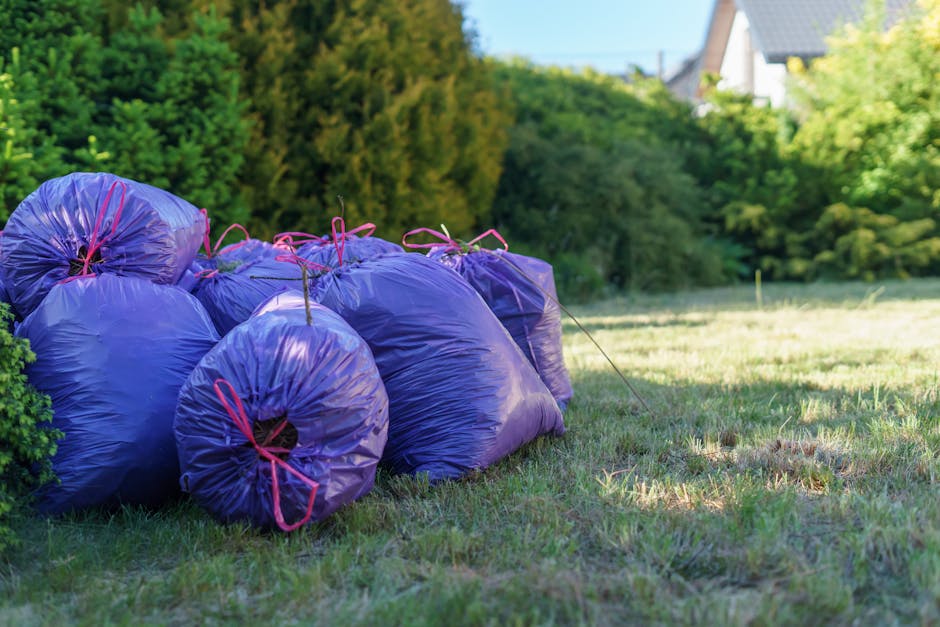
What to know about Hackney Council garden waste rules
If you live in Hackney and your garden has been quietly turning into a pile of clippings, branches, and half-finished prune jobs, you are not alone. Garden waste sounds simple until you are standing there with a black sack full of hedge trimmings wondering what can go in, what cannot, and whether the council will take it away without a fuss. This guide explains what to know about Hackney Council garden waste rules in plain English, so you can sort, store, and dispose of garden waste properly without making a mess of it.
We will cover what counts as garden waste, how collection services usually work, what typically causes problems, and when a professional garden clearance service might be the easier route. There is a fair bit to think about, truth be told, but once you understand the basics it becomes much less stressful.
For broader help with ongoing outdoor upkeep, you may also find our garden maintenance and recycling and sustainability pages useful.
Contents
- Why What to know about Hackney Council garden waste rules Matters
- How What to know about Hackney Council garden waste rules Works
- Key Benefits and Practical Advantages
- Who This Is For and When It Makes Sense
- Step-by-Step Guidance
- Expert Tips for Better Results
- Common Mistakes to Avoid
- Tools, Resources and Recommendations
- Law, Compliance, Standards, or Best Practice
- Options, Methods, or Comparison Table
- Case Study or Real-World Example
- Practical Checklist
- Conclusion
- Frequently Asked Questions
Why What to know about Hackney Council garden waste rules Matters
Garden waste is one of those household jobs that feels tiny until it suddenly is not. A few hedge cuttings after Saturday pruning, a bag of leaves from autumn, a couple of branches after a windy spell, and before long you have a bulky load that needs a proper plan. In a dense part of London like Hackney, getting this right matters because space is limited, collections are tightly managed, and leaving waste out incorrectly can lead to missed collections or unnecessary hassle.
It also matters because garden waste is not the same as general rubbish. Green waste has its own handling rules for a reason. Councils generally aim to keep organic material separate so it can be processed more efficiently rather than ending up mixed with household refuse. That is better for the environment, and it usually makes disposal cleaner and simpler for residents too.
There is a practical side as well. If you are gardening at home, doing a seasonal tidy-up, or managing a small front or back garden, understanding the rules helps you avoid the classic last-minute panic. You know the one. It is five o'clock on a damp evening, the bags are dripping a bit, and you are trying to remember whether ivy cuttings count as green waste or general waste. Not ideal.
Expert summary: The main thing to remember is this: keep garden waste separate, present it neatly, and check the council's current collection expectations before you put anything out. Small details make a big difference.
How What to know about Hackney Council garden waste rules Works
While collection arrangements can change over time, the basic idea is usually consistent. Hackney Council garden waste rules are designed to help residents dispose of suitable organic garden material in the correct way. In practice, that means thinking about three things: what the waste is, how it is presented, and whether it is part of a council collection service or a one-off disposal arrangement.
Most council garden waste systems in London focus on clean, natural materials such as grass cuttings, leaves, small twigs, plant clippings, and weeds. The important word there is clean. If you mix in soil, rubble, plastic plant pots, food scraps, or general household rubbish, it can turn a straightforward collection into a rejected one. That is where people get caught out.
If you are dealing with bigger pruning work, or a garden that has been left untidy for a while, the scale can quickly grow beyond a simple bin or sack job. In those cases, a proper garden clearance can save a lot of time, especially if you want everything lifted in one go rather than spread across several collection cycles.
What usually counts as garden waste
- Grass cuttings
- Leaves and leaf litter
- Hedge trimmings
- Small branches and twigs
- Weeds and dead plants
- Flowers, stems, and other plant material
What is often excluded
- Soil, turf, stones, and rubble
- Plastic, pots, ties, and plant labels
- Food waste or catering scraps
- General household rubbish
- Painted, treated, or heavily contaminated materials
If you are trimming hedges or shaping shrubs regularly, it helps to keep a tidy system going. Our hedge trimming and lawn mowing services are often used by homeowners who want less waste build-up in the first place. That sounds obvious, but prevention is a lot easier than wrestling ten sacks of damp clippings later on.
Key Benefits and Practical Advantages
Following the correct garden waste rules is not just about avoiding a complaint or a missed collection. It makes your entire garden routine smoother. A bit of organisation up front saves time, lowers stress, and often reduces the number of trips or collection issues you face.
- Cleaner storage: waste is easier to manage when it is sorted as you go.
- Less contamination: separating green waste keeps collection simpler and more reliable.
- Better garden hygiene: piles of wet clippings can smell, attract pests, and make paths slippery.
- More efficient disposal: when waste is organised properly, it is easier to recycle or remove.
- Fewer delays: the right presentation lowers the chance of a rejected bin or missed pickup.
There is also a financial angle. If you pay for removal or rely on ad hoc disposal, keeping waste clean and compact can reduce labour time and avoid extra handling. That matters whether you are a homeowner doing a spring tidy or someone coordinating a bigger landscaping project.
For larger transformations, combining waste planning with broader garden works can be a sensible move. If you are redesigning borders, improving access, or refreshing the whole space, our landscaping and landscape gardening pages outline services that often involve waste removal as part of the job. One tidy visit is usually better than three untidy ones.
Who This Is For and When It Makes Sense
These rules matter to a wide range of people, not just keen gardeners. If you live in a flat with a shared outdoor space, manage a small terrace garden, or look after a family garden that gets a bit wild after a rainy spell, you will benefit from knowing the basics.
- Homeowners who do their own maintenance and need to dispose of cuttings properly.
- Tenants who are responsible for a small private garden or courtyard.
- Landlords and managing agents overseeing outdoor communal areas.
- Busy families who need quick, practical clearance after seasonal pruning.
- Older residents who want a simpler, safer way to manage heavy bags and branches.
- People renovating gardens and creating more waste than a normal bin system can handle.
It also makes sense when you are short on time. Let's face it, not everyone has a spare afternoon to cut, bag, stack, and transport garden waste somewhere else. If that sounds familiar, it may be worth looking at regular garden maintenance or a one-off clearance rather than trying to manage everything alone.
And if tree work is involved, the waste profile changes quite a bit. Branches, limbs, and heavier cut material can create safety and handling issues, so it is sensible to review tree lopping and removal support where appropriate.
Step-by-Step Guidance
If you want to handle garden waste the sensible way, use this simple process. Nothing fancy. Just a practical routine that keeps you out of trouble and makes collection day less awkward.
- Sort the waste as you go. Keep green material separate from soil, rubble, plastic, and household rubbish.
- Cut bulky items down. Shorter branches and compacted clippings are easier to manage.
- Check what collection route applies. Different streets, properties, and service arrangements can affect how waste should be put out.
- Use suitable containers. Bags, bins, or bundles should be secure and easy to lift.
- Keep it accessible. Put waste where it can be collected safely without blocking pavements or shared access.
- Watch for weight and moisture. Wet grass and leaf piles get heavy fast, and they are annoying to handle too.
- Remove contamination. Take out stones, string, broken pots, labels, and anything else that does not belong.
- Plan for bigger jobs separately. If the waste is substantial, arrange clearance rather than hoping a normal bin will cope.
A good rule of thumb is this: if it looks mixed, it probably needs another sort. If it feels too heavy to lift safely, it probably needs a different container or a different disposal plan. Simple, but useful.
Expert Tips for Better Results
Here are the small habits that make a noticeable difference. These are the kinds of details people often miss the first time, then remember afterwards when they are staring at a rejected pile on the pavement.
- Do the waste sorting before the weather turns. Rain adds weight and turns tidy cuttings into a soggy lump.
- Stack branches in the same direction. It sounds trivial, but neat bundles are easier to carry and store.
- Keep a green-waste corner. Even a tiny designated space in the garden helps stop clutter spreading everywhere.
- Use regular maintenance to reduce peak waste. Smaller, more frequent trims usually create less of a giant disposal job.
- Separate thorny or sharp material carefully. Rose clippings and hawthorn, for example, can be unpleasant to handle without gloves.
- Protect paths and entrances. Wet leaves on paving can be slippery, especially in the evening when the light fades early.
A small aside: if you have ever tried carrying a flimsy bag full of damp grass across a courtyard, you will know it has a strange ability to split at exactly the wrong moment. Gardening has a sense of humour like that. A bad one, admittedly.
If you want to reduce the amount of waste you generate in the first place, consider a routine that includes lawn mowing, periodic trimming, and simple seasonal tidy-ups rather than letting everything overgrow and then dealing with a giant clear-out later.
Common Mistakes to Avoid
Most problems with garden waste are not dramatic. They are small, avoidable mistakes that build into inconvenience. The good news is that once you know them, they are easy enough to dodge.
- Mixing waste types together. Garden clippings and household rubbish should not be thrown in the same load.
- Leaving soil attached to roots and turf. Soil is often treated differently from green waste.
- Overfilling bags or bins. If it is too heavy to move, it is too heavy to collect safely.
- Using the wrong materials for bundling. Loose string, broken ties, and tangled plastic netting cause problems.
- Putting waste out at the wrong time. If collection timings or presentation rules are off, the pickup may be missed.
- Ignoring access issues. Narrow paths, blocked gates, and awkward positioning can make the job harder for everyone.
- Assuming all green waste is acceptable. Contamination changes everything. Always a bit irritating, but there it is.
One common mistake in busy households is treating every bag of waste the same. A bag from a hedge trim, a bag of weeds, and a bag with broken pots and old compost are not the same thing. If you separate them early, you avoid the awkward sorting stage later.
Tools, Resources and Recommendations
You do not need specialist equipment for every small garden tidy, but a few basic tools make the whole process much easier and safer.
- Heavy-duty garden sacks: better than thin bags for wet cuttings and thorny material.
- Gloves: useful for sharp stems, nettles, and rough branch handling.
- Secateurs and loppers: handy for reducing branch size before disposal.
- Rake and sweeping brush: ideal for leaves, grass, and smaller debris.
- Wheelbarrow or tub trug: makes moving waste less of a backache.
- Tarpaulin: useful if you are gathering a larger pile before lifting or loading.
For residents thinking beyond waste removal, our services overview is a helpful place to see how clearance, maintenance, and larger outdoor improvements fit together. Sometimes the best answer is not a single fix but a more joined-up plan.
If your concern is more about value, timing, or budgeting for a tidy-up, our pricing and quotes page explains how quotations are typically approached. That can be useful when a garden has got out of hand and you want to understand the scope before committing.
And if you are comparing providers, it is always sensible to check practical trust points too, such as insurance and safety and the company's terms and conditions. Not exciting, I know, but these details matter when heavier waste or access work is involved.
Law, Compliance, Standards, or Best Practice
This is the part that people often want simplified, so here it is. In London, and in Hackney specifically, you should always follow the council's current household waste instructions for garden material. The exact operational rules can change, so it is wise to check the latest guidance before setting anything out. That is the safest approach, and the least frustrating one.
From a best-practice point of view, there are a few principles that are broadly sensible across UK local authority waste systems:
- Keep garden waste separate from general waste.
- Do not include contaminants such as plastics, rubble, or food waste.
- Present waste safely and neatly.
- Use approved containers or collection methods where required.
- Handle bulky, heavy, or hazardous material with care.
There is also a duty of care element in ordinary common sense terms. If waste is left in a way that creates hazard, obstructs access, or attracts pests, it becomes more than just a tidy-up issue. In a shared street or courtyard, that can become a neighbour issue very quickly. Nobody wants that conversation over the fence at 8 a.m. on a Sunday.
For properties that generate regular outdoor waste, a sensible routine supported by professional maintenance can reduce the chance of non-compliant piles building up. Our health and safety policy and recycling and sustainability pages reflect that practical approach to responsible work.
Options, Methods, or Comparison Table
Different garden waste situations call for different solutions. A small weekly tidy is not the same as a full overgrown garden clearance after months of neglect. The table below shows the usual options in a simple way.
| Method | Best for | Pros | Trade-offs |
|---|---|---|---|
| Council garden waste collection | Routine green waste from regular maintenance | Simple, familiar, suitable for smaller volumes | May have strict presentation rules and collection timing |
| Home sorting and bagging | Small jobs and occasional trims | Low effort for light waste, easy to organise | Can become messy if waste is bulky or wet |
| Professional garden clearance | Large clear-outs, heavy waste, time-sensitive jobs | Fast, practical, less lifting for you | Usually more costly than handling a small load yourself |
| Regular garden maintenance plan | Ongoing upkeep and reduced waste build-up | Keeps gardens under control, smoother throughout the year | Requires routine scheduling |
If you are unsure which route makes sense, ask a very plain question: is this a small, neat, mostly green load, or is it a bigger mixed job? That answer usually tells you the best path. No need to overcomplicate it.
Case Study or Real-World Example
Picture a small back garden in Hackney after a damp, overgrown spring. The hedge has pushed out into the path, the lawn is patchy, and there are half a dozen bags of cuttings forming a mini mountain by the shed. At first glance, it feels manageable. Then you realise some bags contain only grass, one contains thorny hedge material, another has old compost stuck to roots, and one has bits of broken pot mixed in because, well, life happens.
That is the point where people often get stuck. Do they try to force everything into the same collection? Do they leave it for another week? Do they start again from scratch? In our experience, the best approach is usually to sort the waste by type, remove contamination, and decide whether the job is still small enough for routine disposal or whether it has crossed into clearance territory.
In this sort of scenario, the simplest fix is often a combination of pruning, clean-up, and proper waste removal. A small amount of planning at the start saves far more time than trying to rescue a chaotic pile at the end. And once it is done, the garden instantly feels lighter. You can hear birds again. You notice the path. It feels like a proper outdoor space, not a holding area for clippings.
Practical Checklist
Use this checklist before you put garden waste out or arrange removal:
- Have I separated green waste from household rubbish?
- Have I removed soil, stones, pots, and plastic items?
- Are branches and stems cut down to a manageable size?
- Are bags, bins, or bundles secure and not too heavy?
- Is the waste positioned safely and accessibly?
- Do I know whether this is a routine collection or a larger clearance job?
- Have I checked for sharp, thorny, or awkward material that needs extra care?
- Would regular maintenance reduce the amount of waste next time?
If you are handling a bigger outdoor tidy-up, it can also be worth reviewing the wider job list. Sometimes pruning, clearance, and a little repair work go hand in hand, especially if there has been poor upkeep for a while.
Conclusion
What to know about Hackney Council garden waste rules comes down to a few grounded habits: separate your waste, keep it clean, present it properly, and match the disposal method to the size of the job. That is the simple version, and thankfully the useful one. If you do those basics well, you will avoid most of the common frustrations that catch people out.
For small gardens, regular tidying usually keeps waste under control. For larger clear-outs, mixed waste, or overgrown plots, professional help can save time, stress, and a fair bit of lifting. Either way, the key is to plan before the pile grows legs.
Get a free quote today and see how much you can save.
And if you are still staring at a stack of clippings by the back gate, do not worry. It is fixable. Gardens have a way of coming back to life once the mess is out of the way.
Frequently Asked Questions
What counts as garden waste under Hackney Council garden waste rules?
Usually, garden waste means organic material such as grass cuttings, leaves, hedge trimmings, weeds, flowers, and small branches. It should be clean and free from rubbish, soil, stones, plastic, and other contamination.
Can I put soil in my garden waste collection?
Soil is often treated differently from green garden waste, so it is best not to assume it can go in the same collection. If you have turf, compost, or heavy soil, check the current council guidance before putting it out.
Do I need to bag garden waste separately from household rubbish?
Yes, you should keep it separate. Garden waste mixed with general rubbish is more likely to be rejected, and it also makes handling much less efficient.
What happens if my garden waste is too heavy?
Overfilled bags and heavy bins can be difficult or unsafe to collect. If the load is too heavy to lift comfortably, split it into smaller portions or arrange an alternative disposal method.
Are hedge trimmings and grass cuttings handled the same way?
They are both usually classed as garden waste, but hedge trimmings are bulkier and can be more awkward to bundle. Grass cuttings tend to compact and become heavier, especially when damp.
Can I mix branches with leaves and clippings?
Generally yes if everything is clean green waste, but it is still wise to keep bulky branches neatly bundled and separate out anything contaminated. Mixed loads are easier to manage when they are sorted by size and type.
What is the easiest way to avoid garden waste problems?
The easiest way is to sort as you go. Keep a green-waste pile, remove plastic and soil immediately, and reduce bulky material before collection day. A little routine saves a lot of hassle.
When does it make sense to book a professional clearance instead of using council collection?
If the garden is overgrown, the waste is bulky, or you need everything removed quickly, a professional clearance is often the better choice. It is especially helpful when there are branches, mixed waste, or awkward access issues.
Can regular garden maintenance reduce waste build-up?
Yes. Routine maintenance usually creates smaller amounts of waste at a time, which are much easier to handle than one large seasonal clear-out. It is one of those boring-but-brilliant habits.
What should I do before putting waste at the kerb or collection point?
Make sure it is allowed, clean, secure, and easy to lift. Keep it away from hazards or blocked access, and avoid placing contaminated material in with the green waste. That single check saves a surprising number of headaches.
Are there safety concerns with garden waste?
There can be. Wet bags are heavy, sharp cuttings can cause injury, and piles left too long can become slippery or attract pests. Gloves, sensible lifting, and tidy storage all help.
Where can I get help if my garden waste job is bigger than expected?
If the job has outgrown a simple tidy-up, look at support for garden clearance, maintenance, or broader landscaping work. The right approach depends on how much waste you have and how quickly you need it gone.