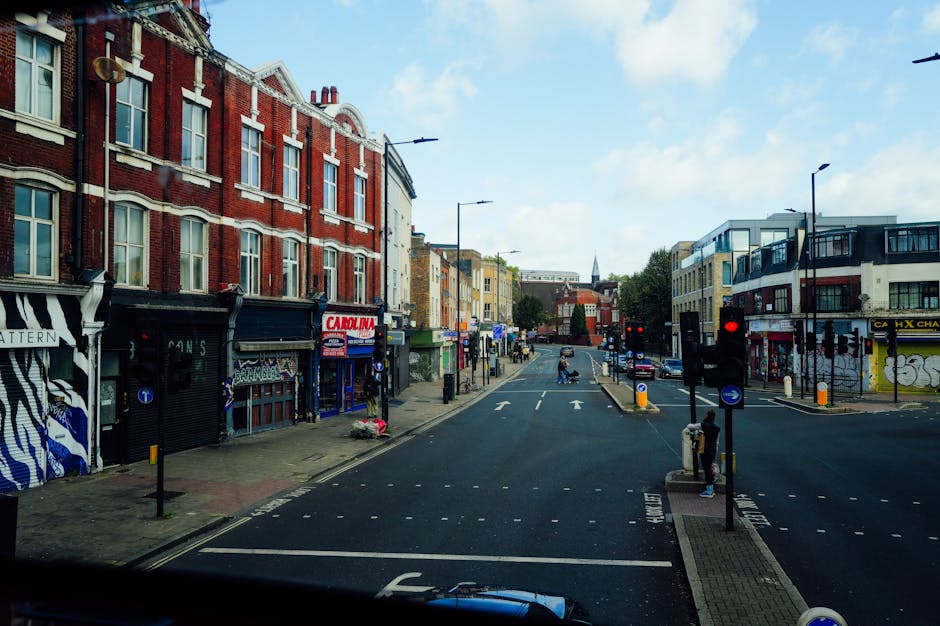
Shoreditch office gardeners for Brick Lane shops and cafes: a practical guide to tidy, welcoming outdoor spaces
Brick Lane is busy, characterful, and always moving. One minute a cafe terrace looks perfectly put together; the next, a few windy days, a bit of footfall, and a couple of thirsty planters have turned it into something tired-looking. That is exactly where Shoreditch office gardeners for Brick Lane shops and cafes come in. Whether you manage a small coffee spot, a boutique, a restaurant frontage, or a shared office courtyard, the right gardening support helps your space stay presentable, safe, and quietly inviting.
This guide breaks down what the service actually involves, how it works in day-to-day terms, what to ask for, and how to avoid the little mistakes that make a shopfront look neglected faster than you'd think. Truth be told, most problems are not dramatic. They are small and cumulative. A few overgrown stems here, a bit of leaf build-up there, and suddenly the whole place feels less cared for.
If you want a broader view of the available support, it can help to start with the services overview and then narrow down the right mix of maintenance, clearance, trimming, and light landscaping for your site.
Expert summary: For Brick Lane businesses, good garden care is less about "perfect lawns" and more about consistency, safety, and visual clarity. The best service is the one that keeps entrances, courtyards, planters, and boundary planting tidy without disrupting trading hours.
Why Shoreditch office gardeners for Brick Lane shops and cafes matters
Brick Lane is not a place where first impressions sit quietly in the background. They do the work before your staff even say hello. A customer walking past a cafe notices whether the planters are full, whether the path is clear, whether the hedge is clipped, and whether the entrance feels cared for. That happens in seconds, and it affects whether people step in or keep walking.
For shops and cafes, garden care is partly visual and partly practical. A sharp, tidy frontage can make a narrow pavement space feel more open. A well-kept rear yard can become a useful break area for staff. And a small courtyard can shift from being "extra bit of outdoor mess" to a genuinely pleasant part of the business. You know the kind of place where someone lingers over coffee instead of rushing off? That often starts with simple maintenance, not grand design.
There is also a real operational reason. Overgrown planting can block signage, attract litter, hold damp, and create awkward access points for deliveries. In a busy Shoreditch setting, those small issues become daily annoyances. That is why regular garden maintenance matters more than one-off tidying done in a panic before a weekend rush.
Many businesses also need a sensible balance between aesthetics and practicality. A florist may want a softer, more curated feel. A cafe might need low-maintenance planting that survives repeated sun, shade, and stray coffee spills. A fashion shop may only need immaculate planters and a crisp frontage. Different businesses, different needs. Sounds obvious, but it is where a lot of garden work goes wrong.
If you are comparing support types, services like garden maintenance, hedge trimming, and lawn mowing are often the core building blocks. In tighter urban spaces, a bit of garden clearance may be needed first, especially where a yard has been neglected for a while or plant containers have become cluttered.
How Shoreditch office gardeners for Brick Lane shops and cafes works
The service usually starts with a site review. That does not have to be formal or fussy. A good gardener will look at what is visible from the street, how people move through the space, where litter collects, what gets too much shade, and which areas create maintenance headaches. In a Brick Lane setting, access matters too: narrow entrances, shared alleys, delivery times, and trading hours all shape what is realistic.
After that, the work is usually divided into routine tasks and occasional corrective tasks. Routine work keeps the space presentable. Corrective work puts things right when growth has run ahead or the space has become awkward to manage. If you have ever arrived early on a Monday morning and noticed the hedge looks twice as big as it did on Friday, you will get the idea.
Typical maintenance may include pruning, trimming, weeding, sweeping, feeding, deadheading, light planting changes, and keeping paths safe. In some cases, a bit of landscaping is needed to improve drainage, movement, or the appearance of a tired courtyard. For more involved outdoor improvements, landscape gardening and landscaping services can help reshape the space rather than just maintain it.
For businesses, the scheduling side is often just as important as the gardening itself. Early-morning visits before opening, quieter midweek slots, or after-hours work can keep disruption low. That is especially useful for cafes and shops that cannot afford muddy footprints, noisy work, or blocked access during peak footfall.
Some sites also need specialist help. Trees close to buildings, awkward rear plots, or dense overgrowth may require tree lopping and removal. If decking is part of the space, a service such as decking services may be relevant for improving usability and reducing the "we only use this area in summer" problem.
Key Benefits and Practical Advantages
The obvious benefit is appearance. A clean, cared-for frontage signals attention to detail, and that matters in a district where competition is close and customer choice is often made on instinct. But the deeper value is broader than looks. Good outdoor maintenance reduces stress, saves time, and helps a business run more smoothly.
- Better curb appeal: Your shopfront or cafe exterior looks more welcoming from the street.
- Safer access: Paths, steps, and entrances stay clearer of wet leaves, loose growth, and clutter.
- Less reactive work: Small, regular jobs are easier and usually less disruptive than emergency tidy-ups.
- More usable space: A rear yard, side return, or courtyard can become a practical asset instead of dead space.
- Stronger brand feel: Outdoor care often mirrors the quality people expect inside.
- Staff comfort: A pleasant outside area can make breaks feel a bit less like a quick dash into a gloomy alley. That matters more than people admit.
There is also a commercial advantage that is easy to underestimate. When a business keeps its outdoor area tidy, it reduces the "friction" customers feel before they even enter. A person does not consciously think, "The hedges are neat, therefore I trust this cafe." But the impression happens anyway. Quietly. Subtly. And then they order a flat white.
For businesses that want one partner to handle multiple outdoor tasks, it can be helpful to work from a single maintenance plan rather than hiring different people for every small job. That is where a combination of maintenance, clearance, mowing, hedge care, and occasional landscaping becomes useful.
Who This Is For and When It Makes Sense
This kind of service is not just for large offices with formal courtyards. In Brick Lane, it often makes most sense for small and medium businesses that rely on appearance and footfall.
- Cafes and coffee shops with front planters, window boxes, or seating areas outside.
- Independent shops that want a polished entrance without managing it in-house.
- Restaurants and bars with smoking areas, terraces, or rear access yards.
- Shared office spaces that need an outdoor area to stay tidy for staff and visitors.
- Properties with mixed use where the garden is part of the customer experience as well as the building fabric.
It makes sense when your team is already stretched, when the space is too small to justify a full-time grounds role, or when the garden is important enough to matter but not so large that it needs major landscaping every month. Put simply: if you keep thinking, "We should really deal with that side area," then yes, you probably should.
It also makes sense seasonally. In spring and early summer, growth can run away with you. In late autumn, leaf fall can make entrances untidy fast. Winter is different again; even a fairly bare space needs checks for drainage, safety, and storm damage. A good local gardener understands that rhythm and plans for it rather than reacting at the last minute.
Step-by-Step Guidance
If you are setting up garden support for a Brick Lane business, here is a straightforward way to approach it.
- Walk the space as a customer would. Start at the pavement and move through the entrance. Notice what looks untidy, where people might trip, and what blocks the view.
- Separate essentials from nice-to-haves. Safety, access, and basic tidiness come first. Decorative planting is next.
- Map the problem areas. Common ones are overgrown edges, dead plants, blocked gutters near planting, and compacted courtyards that hold water.
- Choose the right mix of services. You may need garden maintenance weekly or fortnightly, plus occasional hedge trimming, lawn care, or clearance.
- Set a timing plan. Work out the least disruptive hours. Early morning visits often suit hospitality and retail, but not always. Every site is a little different.
- Agree what "done" looks like. A good brief says how tidy the area should be, what gets removed, what is left, and who handles waste.
- Review after the first few visits. If a planted area is drying out too quickly or a hedge is becoming leggy, adjust the plan before it becomes a pattern.
A small but useful habit: take dated phone photos before the first visit and after a few sessions. It helps everyone stay honest about what changed. Nothing dramatic, just practical. Gardening, unlike imagination, benefits from evidence.
Expert Tips for Better Results
One of the best things you can do is keep the brief simple and visual. Words like "tidy" mean different things to different people. A better brief says: keep the entrance lines clean, remove visible weeds, reduce overhang, keep planters full, and make sure nothing obscures the shop sign.
Another tip: choose planting that matches your level of maintenance tolerance. A lot of urban business owners love the idea of lush, abundant greenery, then discover it needs more watering, cutting, and replacement than expected. To be fair, that is not a failure; it is just a mismatch. If you want lower effort, ask for hardy, compact planting with a predictable shape.
In mixed weather, which is very London, especially around a wet Tuesday that becomes a sunny afternoon with no warning, watering plans matter. Container plants can dry out quickly in sheltered spots but stay damp in shaded corners. That is why a local gardener who understands the site will often adjust care by area rather than using a one-size-fits-all approach.
It also helps to think about sightlines. A planter should frame an entrance, not hide it. A hedge should soften a boundary, not make the front feel closed off. Small distinctions, but they make a huge difference in a dense street where people are moving quickly and looking at five things at once.
Finally, do not treat maintenance as a separate business problem. It affects customer experience, staff mood, access, and even how easy it is to keep cleaning standards up indoors. Little by little, outdoor order supports indoor order. That is one of those annoyingly simple truths that keeps being true.
Common Mistakes to Avoid
There are a few recurring errors that show up in busy commercial areas like Brick Lane. They are easy to make, and fortunately easy to avoid once you know what to watch for.
- Waiting until everything looks bad: Then the work takes longer and costs more effort. Regular upkeep is usually easier.
- Choosing ornamental plants that are too fragile: Pretty is great, but not if the plant collapses every time conditions change.
- Ignoring access and delivery hours: A great job done at the wrong time can still create chaos.
- Letting waste pile up: Clippings, broken pots, and old soil quickly make a neat area look messy again.
- Using the wrong size of planter or pot: Too small and the plant dries out; too large and it becomes awkward to manage.
- Assuming all gardeners can handle commercial settings: Retail and hospitality sites need a different rhythm from domestic gardens.
One especially common problem is treating a courtyard like a back-of-house dumping ground. It happens. Boxes arrive, bins move, a spare chair appears, and a week later the space is half storage, half garden, and entirely annoying. A tidy outdoor area needs boundaries.
Tools, Resources and Recommendations
For most shop and cafe sites, the right tools are less about fancy kit and more about using the right basics well. A good commercial gardener will usually rely on practical equipment suited to small urban spaces: secateurs, shears, pruning saws, edging tools, blowers or sweepers, and containers for waste removal. Where the site has grass, a reliable mowing setup matters too, but many Brick Lane spaces are plant-led rather than lawn-led.
From a business-owner perspective, the most useful "resource" is a simple site log. It can be as basic as a note on your phone that records what was done, what needs attention next time, and any access issues. That helps if several staff members open or close the site at different times.
You may also want to ask about recycling and disposal practices. A responsible contractor should be able to explain how green waste is managed and whether any material can be reused or recycled where appropriate. If that side of things matters to your business, the page on recycling and sustainability is worth reading alongside your service planning.
If you are comparing providers, the practical questions are usually the best ones: What happens to waste? How do you handle access constraints? Can you work around opening hours? What happens if a plant dies or a hedge needs a harder cut than expected? Clear answers tend to tell you more than polished sales language ever will.
Law, Compliance, Standards, or Best Practice
For commercial garden work, the main point is not to overcomplicate it, but also not to ignore the basics. Businesses have a general duty to keep premises reasonably safe for staff, customers, and visitors. In practice, that means keeping entrances clear, reducing slip hazards, managing overgrowth, and making sure work does not create avoidable risks.
Professional providers should also think carefully about safe working methods, public access, and insurance. When a site is open to customers, the garden team cannot just arrive and start cutting without considering where people walk, where tools are placed, and what happens if debris is blown toward a doorway. It is common sense, really, but common sense is easier to apply when it is part of the process.
If you want reassurance on working practices, look for clear statements about safety and cover. The site's health and safety policy and insurance and safety information are useful reference points for understanding how the business approaches risk and site care. That kind of transparency matters, especially when work takes place near customers, staff entrances, or delivery routes.
Best practice also includes respecting neighbours and nearby businesses. In a busy part of East London, noisy hedge work at the wrong time or uncontrolled waste movement can become a real nuisance. Good commercial gardeners plan around that, keep communication clear, and leave the site cleaner than they found it.
And yes, it is worth saying: waste handling, access, and working hours are not boring admin details. They are part of the service. Ignore them and the nicest planting in the world will still feel like a hassle.
Options, Methods, or Comparison Table
Different businesses need different levels of support. Some want simple maintenance, others need a mix of clearance and redesign. Here is a straightforward comparison to help you think it through.
| Approach | Best for | Strengths | Limitations |
|---|---|---|---|
| Routine maintenance only | Small shops, cafes, low-complexity courtyards | Keeps the space tidy with minimal disruption | Does not solve deeper design or drainage issues |
| Maintenance plus clearance | Sites that have become overgrown or cluttered | Restores order quickly and makes future care easier | Often needs a bigger first visit |
| Maintenance plus light landscaping | Businesses wanting to improve appearance and usability | Can turn awkward outdoor space into a better feature | Requires more planning and may involve higher upfront effort |
| Specialist tree or hedge work | Sites with boundary growth, shading, or access problems | Improves light, access, and visibility | Needs careful timing and correct safety planning |
In practice, many Brick Lane businesses end up using a blend of these. A cafe might need monthly maintenance, seasonal clearance, and occasional hedge work. A retail site with only planters may only need light but regular attention. The right answer is usually the one that keeps the space presentable without overdoing it.
Case Study or Real-World Example
Here is a realistic example from the sort of work this guide is about. A small cafe near Brick Lane had a narrow frontage with two planters, a side return, and a rear bin area that customers could occasionally glimpse through the open door. The front looked fine on good days, but after a couple of wet weeks the planters became patchy, weeds crept in, and the side return started collecting leaves and packaging.
Nothing catastrophic. Just enough to make the place feel a bit tired.
The solution was simple rather than dramatic. The first visit focused on clearance, a tidy cutback of the plants, and a reset of the planter edges. After that, the team moved to a lighter but regular maintenance routine with seasonal checks and occasional hedge trimming. A small planting change improved the look without increasing the workload too much. No grand reveal, no fanfare, just a better everyday feel.
What changed most was not the flower choice. It was the calm. Staff stopped worrying that the frontage looked scruffy. Customers saw a more polished entrance. The owner said the oddest thing: the space felt easier to run. That makes sense, honestly. When one less thing is nagging at you, the whole day improves a little.
Practical Checklist
Use this checklist before booking or reviewing garden support for a Brick Lane shop, cafe, or office site.
- Walk the site from the customer's point of view.
- Mark areas that affect safety, access, or first impressions.
- Separate routine maintenance from one-off restoration work.
- Confirm opening hours and access constraints before work starts.
- Ask how green waste and debris will be removed.
- Check whether the provider can handle hedge work, mowing, clearance, and light landscaping as needed.
- Clarify how often the space should be revisited.
- Choose planting that suits shade, sun, wind, and your maintenance budget.
- Make sure the gardener understands public-facing commercial sites.
- Review the space after the first one or two visits and adjust the brief if needed.
If you already know the site needs a reset rather than simple maintenance, it may be worth discussing the work alongside the garden maintenance and full service range so the plan matches what the space actually needs.
Get a free quote today and see how much you can save.
Conclusion
For Brick Lane businesses, good outdoor care is not a luxury finishing touch. It is part of how a place feels, functions, and welcomes people in. Shoreditch office gardeners for Brick Lane shops and cafes bring structure to the little things that are easy to overlook: tidy entrances, reliable upkeep, safer paths, manageable planting, and a better daily rhythm for staff and customers alike.
The best results usually come from a practical plan rather than a dramatic makeover. Start with what the space needs most, keep the work consistent, and choose maintenance that fits the reality of your trading hours and footfall. That is the steady approach, and it works. Not flashy, but it works.
If you want a business exterior that feels calmer, cleaner, and more welcoming day after day, that is a very good place to begin.
Frequently Asked Questions
What do Shoreditch office gardeners for Brick Lane shops and cafes usually handle?
They typically handle routine maintenance, trimming, pruning, weeding, clearance, planting care, and sometimes light landscaping. For some sites, hedge work, mowing, or small tree-related tasks are also part of the job.
How often should a cafe or shop garden be maintained?
It depends on the space, but many public-facing sites benefit from regular visits rather than occasional big clean-ups. Busy, visible areas often need more frequent attention, especially in spring and early summer.
Do small businesses really need professional garden support?
Often, yes. Even a couple of planters or a narrow frontage can shape how the whole business feels. Professional help keeps the area consistent and saves staff from trying to squeeze garden work into already busy shifts.
Is garden clearance different from regular maintenance?
Yes. Clearance is usually a larger clean-up job, often used when a space has become cluttered, overgrown, or neglected. Maintenance is the ongoing work that keeps things under control afterwards.
Can the work be done outside trading hours?
In many cases, yes. Early mornings or quieter periods often work best for shops and cafes because they reduce disruption, noise, and access issues for customers.
What if the outdoor area is very small?
Small spaces can still benefit a lot from proper care. In fact, compact courtyards and narrow frontages often show neglect faster, so they can be the most important areas to keep neat.
Do I need landscaping or just maintenance?
If the space already functions well and only needs regular care, maintenance may be enough. If the layout is awkward, drainage is poor, or the area feels underused, light landscaping may make more sense.
How do I choose plants for a Brick Lane business frontage?
Look for hardy, manageable plants that suit shade, wind, and the amount of care your team can realistically provide. A good gardener can help match the planting to the site instead of forcing a pretty but impractical solution.
What should I ask before booking a gardener?
Ask about access, timing, waste removal, insurance, safety, and how the service will be tailored to a commercial site. Clear answers at the start usually save a lot of hassle later.
Can gardeners help make a courtyard more usable for staff?
Yes. A courtyard can often be improved through better planting, tidier boundaries, clearer access, and a practical maintenance plan. It may not become a rooftop garden fantasy, but it can become much nicer to use. And that matters.
Why does outdoor presentation matter so much for shops and cafes?
Because customers notice the outside before they experience the inside. A neat frontage suggests care, reliability, and attention to detail. In a busy area like Brick Lane, that first impression can count more than people expect.