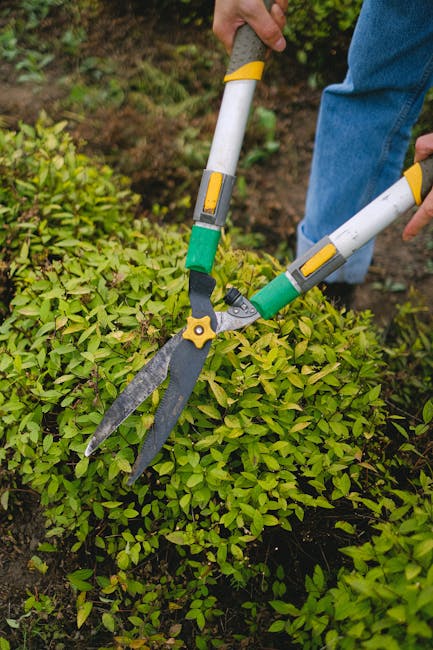
Garden maintenance quotes Shoreditch EC2A comparison guide
If you are trying to compare garden maintenance quotes in Shoreditch EC2A, you are probably dealing with the same mix of questions most London property owners face: what should be included, why do some quotes look suspiciously cheap, and how do you tell a proper maintenance plan from a quick tidy-up that will need redoing next week? This guide breaks it all down in plain English.
Shoreditch gardens come in all shapes and sizes. A compact courtyard, a shared terrace, a small front garden, a leafy commercial entrance, a roof space with planters, or a neglected patch that has gotten a bit wild after a wet spell. The right quote depends on the site, the season, the level of work required, and whether you want a one-off visit or ongoing upkeep. Let's make the comparison process easier, calmer, and a lot more useful.
For a broader look at the services that often sit behind a maintenance quote, you may find the services overview helpful, and if you want to understand how costs are usually presented, the pricing and quotes page is a sensible place to start.
Table of Contents
- Why Garden maintenance quotes Shoreditch EC2A comparison guide Matters
- How Garden maintenance quotes Shoreditch EC2A comparison guide Works
- Key Benefits and Practical Advantages
- Who This Is For and When It Makes Sense
- Step-by-Step Guidance
- Expert Tips for Better Results
- Common Mistakes to Avoid
- Tools, Resources and Recommendations
- Law, Compliance, Standards, or Best Practice
- Options, Methods, or Comparison Table
- Case Study or Real-World Example
- Practical Checklist
- Conclusion
- Frequently Asked Questions
Why Garden maintenance quotes Shoreditch EC2A comparison guide Matters
Comparing quotes is not just about finding the cheapest number on the page. In Shoreditch EC2A, where gardens can be compact, hard to access, or attached to mixed-use properties, the details matter a great deal. A quote that looks low can quickly become expensive once access issues, waste removal, hedge work, or extra visits are added. On the other hand, a higher quote may actually be better value if it includes everything properly and saves you time later.
This matters because maintenance is usually about consistency. Gardens do not stay neat on their own for long, especially in London weather. One damp week and a tidy border can start to look heavy; one windy weekend and a lawn can be littered with leaves, twigs, and bits of blown-in debris. If you compare quotes carefully, you are not just buying a one-off visit. You are buying reliability, timing, and a standard of work that keeps the space healthy.
There is also a trust element. A good quote should tell you what will be done, what is excluded, how often visits may happen, and what happens if the job needs more time. That transparency is worth a lot. Frankly, a garden quote should read like a plan, not a puzzle.
Expert summary: The best comparison is not "price versus price". It is "scope, frequency, access, labour, waste, and quality versus quality". That is how you avoid surprise extras and end up with a garden that actually stays under control.
How Garden maintenance quotes Shoreditch EC2A comparison guide Works
A proper garden maintenance quote usually starts with an assessment of the space. That may be a quick site visit, photos, measurements, or a phone discussion followed by a more detailed review. The aim is to understand the current condition and the level of care needed. A tidy garden in good condition is a very different job from a garden that needs clearance, pruning, weeding, and a bit of rescue work.
Most quotes will consider some combination of the following:
- garden size and layout
- access points, steps, side passages, or shared entrances
- lawn condition and mowing frequency
- hedge height and trimming requirements
- weed pressure in beds, paths, or gravel areas
- seasonal leaf fall and general debris
- waste collection or green waste removal
- whether the work is one-off or recurring
In practical terms, the quote may be written as a fixed visit price, a monthly maintenance plan, or an estimate based on hours and materials. Each format has pros and cons. Fixed prices are easy to understand. Hourly pricing can be useful when the job is unpredictable. Ongoing plans often work best when you want the garden to stay neat without having to think about it every few weeks.
If a quote includes more specialist tasks, it may also reference lawn mowing, hedge trimming, garden clearance, or even tree lopping and removal. That is useful, because it shows the provider is thinking about the whole site rather than only the bits that are easy to spot from the gate.
Key Benefits and Practical Advantages
There are some obvious benefits to comparing garden maintenance quotes properly, but a few less obvious ones too.
- Better budget control: You can see where the money goes and avoid paying for duplicated work.
- Cleaner service scope: You know whether mowing, pruning, weeding, and waste disposal are included.
- Fewer surprises: Hidden extras become easier to spot before work begins.
- Stronger maintenance planning: Recurring care is easier to arrange when you know the likely workload.
- Healthier planting: Regular attention helps lawns, shrubs, and borders recover more quickly after seasonal stress.
- Better presentation: This matters for homes, rental properties, hospitality spaces, and office entrances alike.
There is a quieter benefit as well: peace of mind. You stop wondering whether the garden has been forgotten or whether an overgrown patch is turning into a bigger job. That sounds small, but it genuinely makes life easier. Especially if you have enough on your plate already.
For properties with decking, terrace edges, or mixed landscaping features, maintenance comparisons can also highlight whether a provider understands the difference between soft garden care and harder surface upkeep. If that is relevant, the decking services and landscaping pages can help you think through the wider outdoor space, not just the beds and lawn.
Who This Is For and When It Makes Sense
This guide is useful for a wide mix of people. If you own a small home with a courtyard garden, you may simply want to stop the place from becoming overrun. If you manage a rental property, you may need regular maintenance to keep the exterior presentable between tenancies. If you run a business with a frontage or shared outdoor area, presentation and safety become part of the picture too. And if you are dealing with a garden that has been left alone for a while, then the quote comparison stage becomes even more important.
It also makes sense if you are deciding between a one-off clean-up and an ongoing service. A one-off visit can be the right move after winter, after a tenant move-out, or before an event. But recurring maintenance usually gives better long-term value where growth is steady and the garden needs regular touch-ups to stay under control.
To be fair, not every garden needs a grand plan. Some just need a reliable person to mow, trim, and keep an eye on things once a month. Others need a more strategic approach because the layout is awkward, the shrubs have gotten ambitious, and the lawn has opinions of its own. Gardens do that sometimes.
Step-by-Step Guidance
If you want to compare garden maintenance quotes well, it helps to follow a simple process. Nothing fancy. Just disciplined.
- Define the job clearly. Write down what you want done now and what you want kept under review over time.
- List the priority tasks. For example: mowing, edging, weeding, hedge trimming, leaf clearance, pruning, and waste removal.
- Note access and site issues. Narrow passages, locked gates, basement courtyards, water access, or restricted parking can affect the quote.
- Ask for the quote format. Fixed price, hourly rate, visit-based plan, or maintenance package can all work, but you should know which one you are comparing.
- Check what is included. Tools, labour, fuel, waste disposal, follow-up visits, and VAT treatment should be clear.
- Compare like with like. Do not compare a quick trim-only quote with a full maintenance service and assume the lower one is better.
- Assess timing and reliability. Availability matters. A good price is less useful if the provider cannot fit the work in when your garden actually needs it.
- Read the small print. Especially around cancellations, rescheduling, and additional work.
If your garden has become heavily overgrown, start by considering whether maintenance alone is enough or whether you need a reset first. In many cases, the smarter route is a clearance-style visit before maintenance begins. That is where garden clearance becomes relevant. A clean baseline is easier to maintain. Much easier.
Expert Tips for Better Results
Here are the details that tend to separate a good quote from a frustrating one.
- Ask what the provider sees as "routine maintenance". Some include weeding and edging; others treat those as extras.
- Make sure green waste is addressed. A pile of clippings left behind can undo the neat finish you were expecting.
- Be specific about hedge lines and boundaries. A quick tidy and a formal shape-up are not the same thing.
- Ask how the quote changes with seasonality. Spring growth and autumn leaf fall often change the workload.
- Notice whether the provider asks questions. Good gardeners usually do. Silence can be a red flag, oddly enough.
- Keep the scope realistic. A little honesty goes a long way. If the site needs extra attention, say so up front.
In our experience, the most useful quote conversations are the ones where the customer points out the awkward bits: the hidden corner behind the shed, the thorny climber that keeps getting in the way, or the lawn patch that never quite drains properly after rain. That information saves time for everyone.
And a small but important one: ask whether the maintenance plan can be adjusted after the first visit. Gardens reveal things when you touch them. A quote can be accurate on paper and still need a tweak once the real job starts.
Common Mistakes to Avoid
When people compare garden maintenance quotes in a hurry, they usually make one of these mistakes.
- Choosing purely on price. Cheap can be fine. Cheap and vague is not.
- Not checking waste removal. This is one of the easiest places for the final cost to creep up.
- Forgetting access constraints. A narrow EC2A courtyard can take longer to service than a larger, open garden.
- Assuming all mowing is the same. Lawn condition, edge work, and disposal of clippings can change the overall effort.
- Ignoring frequency. A maintenance quote only makes sense if the visit pattern matches the growth cycle.
- Skipping the service standard. If one quote includes a full tidy and another only does the obvious bits, the comparison is misleading.
One of the sneakiest mistakes is not asking what happens after the first visit. A garden that has been neglected for months may look fine once it has been cut back, but then the next round of growth arrives and, well, the cycle begins again. If the provider can suggest a maintenance rhythm, that is a good sign.
Tools, Resources and Recommendations
You do not need specialist tools to compare quotes sensibly, but a few basic things help a lot. A short site note, a couple of photos, and a rough list of priorities can make the whole process smoother. If possible, take pictures from different angles. Morning light is often best because shadows make structure easier to see. That sounds tiny, but it helps.
Useful things to have ready before requesting or comparing a quote:
- the approximate size of the garden
- photos of the lawn, borders, hedges, and access points
- a note of any problem areas, such as dead growth, debris, or drainage issues
- your preferred visit frequency
- whether you need one-off work or a maintenance plan
- whether any shrubs, trees, or climbing plants need special attention
If your quote includes plant health, pruning, or structural changes to the outdoor space, the right comparison may move beyond maintenance and into wider garden improvement. In that case, reviewing landscape gardening and garden maintenance together can help you separate routine upkeep from redesign work.
For long-term value, I would also recommend asking about sustainability in a very practical way: how waste is handled, whether cuttings are recycled where possible, and whether the maintenance approach avoids overcutting or unnecessary replacements. The recycling and sustainability page reflects this kind of thinking well.
Law, Compliance, Standards, or Best Practice
Garden maintenance is not usually a heavily regulated service in the same way as some trades, but there are still sensible standards that matter. If machinery is being used, if waste is removed, if ladders are involved for higher hedge work, or if trees and overgrown vegetation are being handled, then safety and proper working practice should be taken seriously.
At a practical level, you should expect:
- careful use of equipment
- safe handling of tools and cutting machinery
- reasonable attention to access and trip hazards
- clear communication if the job becomes bigger than first expected
- proper insurance and sensible operational safeguards
It is also normal to ask whether a provider has public liability cover and how they approach site safety. That is not being fussy. It is basic due diligence. For a service provider, transparent guidance on insurance and safety and the company's health and safety policy can give you a clearer picture of how they work.
If the job includes substantial tree work, heavier clearance, or complicated access, it may be wise to treat the quote as more than a standard maintenance visit. In those cases, the provider should explain what is routine, what is specialist, and what would require a separate plan. Better to have that conversation early than to have it mid-job with a hedge trimmer humming in the background.
Options, Methods, or Comparison Table
Below is a practical way to compare the most common quote formats. This is not about finding a universal best choice. It is about matching the method to the garden and to your expectations.
| Quote type | Best for | Strengths | Limitations |
|---|---|---|---|
| Fixed-price quote | Clearly defined gardens and repeat work | Easy to compare, simple budgeting, fewer surprises | May exclude extra work if scope is not written clearly |
| Hourly quote | Overgrown or unpredictable sites | Flexible for changing conditions and awkward access | Harder to predict final cost |
| Visit-based maintenance plan | Homes, flats, and business premises needing regular care | Good continuity, better long-term presentation | Needs clear visit frequency and task scope |
| One-off tidy-up quote | Seasonal reset or event preparation | Fast way to restore order | Not ideal if the garden needs ongoing attention |
If you are still unsure which route fits best, compare the result you want rather than just the price tag. Do you want a single clean-up? A spring refresh? Or a service that keeps the place looking decent all year? That answer usually tells you which quote type makes sense.
Case Study or Real-World Example
Imagine a small Shoreditch EC2A property with a narrow rear garden, a modest lawn, a few border beds, and a hedge that has started leaning into the path a bit. The owner wants it tidy for regular use, not redesigned. Three quotes come in.
The first is the cheapest, but it only covers mowing and a basic sweep. Hedge trimming is extra, waste removal is extra, and weeding is not mentioned at all. Fine if you only need the lawn touched up, but not enough for a proper maintenance visit.
The second quote is a little higher. It includes mowing, edging, hedge trimming, weeding of the main beds, green waste removal, and a plan for fortnightly visits during the growing season. It also notes that the first visit may take longer because the garden has not been maintained for a while. That is honest. Refreshingly so.
The third quote is the highest, but it includes a broader reset: some clearance work, a full tidy, light pruning, and then an ongoing maintenance schedule. For a garden that has become a bit unruly, this might actually be the best value because it fixes the underlying problem rather than only the symptoms.
In a case like that, the right choice is rarely the cheapest line on the page. It is the quote that matches the state of the garden and the outcome the owner actually wants. Truth be told, that is where most people save money in the long run: by avoiding repeat work and awkward patch jobs.
Practical Checklist
Use this quick checklist before you accept any quote. It keeps things simple.
- Have I clearly described the garden and its condition?
- Does the quote list the tasks included?
- Are waste removal and disposal included or explained?
- Do I understand whether this is one-off or ongoing maintenance?
- Is the access situation reflected in the price?
- Have I compared more than one quote on the same basis?
- Do I know what counts as an extra?
- Have I checked whether the provider can return on a sensible schedule?
- Does the quote feel clear, not vague?
- Am I choosing value, not just a low number?
If you want to go one step further, ask for a written scope summary. It does not need to be fancy. It just needs to be clear enough that both sides know what "done" looks like. That little bit of clarity saves a lot of back-and-forth later.
Get a free quote today and see how much you can save.
Conclusion
Comparing garden maintenance quotes in Shoreditch EC2A is really about making a better decision with less stress. Once you look beyond the headline price and check scope, frequency, access, waste handling, and service quality, the picture becomes much clearer. A good quote should feel specific, sensible, and easy to understand. If it does not, keep looking.
That is the simple truth. The right maintenance arrangement can keep a garden usable, tidy, and pleasant through the year, without turning it into yet another thing on your list. And in a place as busy and fast-moving as Shoreditch, that calm little pocket of green is worth looking after properly.
If you are still weighing up options, a good next step is to review the wider service information and make sure the quote matches the kind of support you actually need, not the kind that just sounds convenient on paper. Small detail, big difference.
And when the garden is finally under control, it does feel good. A bit of breathing space. A bit of order. Worth it, really.
Frequently Asked Questions
What should be included in a garden maintenance quote?
A solid quote should usually explain the tasks included, the visit frequency, whether waste removal is covered, and any limits or extras. If that information is missing, ask for clarification before agreeing.
Why do garden maintenance quotes in Shoreditch EC2A vary so much?
They vary because every garden is different. Access, size, condition, hedge height, lawn condition, and the amount of waste all affect the amount of work involved. A narrow courtyard can take longer than it looks from the doorway.
Is a fixed-price quote better than an hourly rate?
Not always. A fixed-price quote is easier to budget for, while an hourly rate can suit unpredictable or overgrown gardens. The better option depends on how clearly the job can be defined.
Should waste removal be included in the price?
It should either be included or clearly explained. If not, you may find the final cost rises once clippings, branches, or cleared material need to be taken away.
How often should garden maintenance be scheduled?
That depends on the garden, the season, and how tidy you want it to stay. Some gardens benefit from monthly visits, while others need more frequent attention during spring and summer growth.
What if my garden is badly overgrown?
If the space has been left for a while, you may need a clearance or one-off tidy before regular maintenance starts. It is often easier to create a clean baseline first, then keep it that way.
How can I compare quotes fairly?
Compare like with like. Check whether each quote includes the same tasks, the same level of waste handling, and a similar visit pattern. A cheaper quote is not useful if it omits half the work.
Do I need to worry about insurance and safety?
Yes, especially if the work involves machinery, ladders, trees, or awkward access. It is reasonable to ask about insurance and general safety practice. Good providers should be able to explain this clearly.
Can maintenance quotes cover hedges and lawns too?
Yes, they often can. Many maintenance arrangements include mowing, edging, and hedge trimming, but the exact scope should be written down. Do not assume every provider defines maintenance the same way.
What is the biggest mistake people make when choosing a quote?
The biggest mistake is choosing purely on price. The second biggest is not checking what is actually included. A well-written quote often saves more than a cheap but vague one.
Are one-off quotes or ongoing plans better value?
For a garden that needs regular care, ongoing plans are often better value because they prevent the work from building up. One-off quotes are better when you just need a reset or seasonal tidy.
Where should I go next if I want to explore service options?
It makes sense to review the broader services overview and, if needed, the pricing and quotes information before requesting a tailored estimate.